Introduction
California’s stretch of Route 66 is a living museum of stories, surprises, and echoes of America’s past. The Black Bell Project highlights authentic sites that keep the Mother Road’s spirit alive. Whether you are a classic car enthusiast, a social media explorer, or a traveler seeking the true heart of roadside Americana, these five hidden gems will guide your journey across the Golden State.
Needles Gateway Echoes and Desert Beginnings
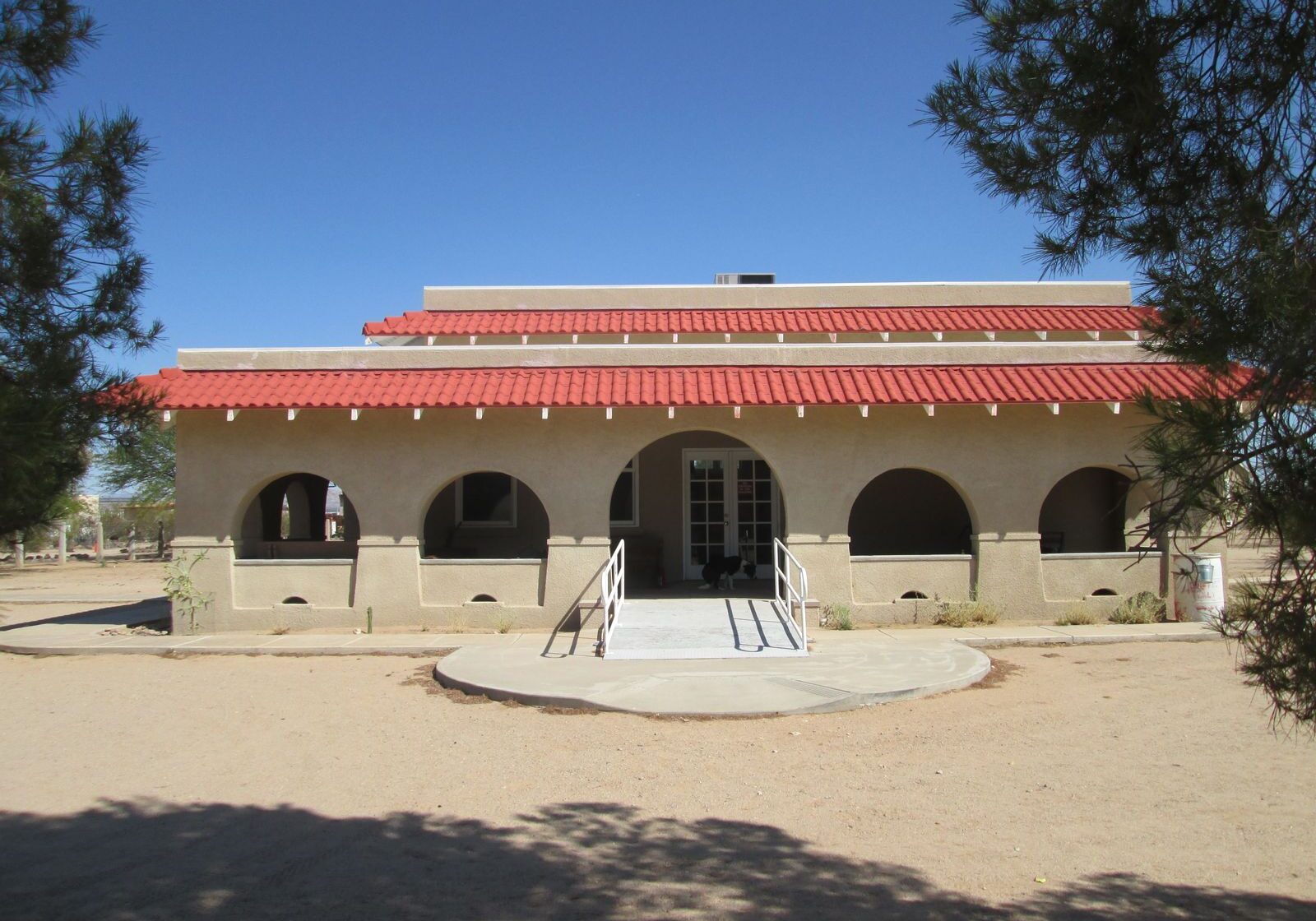
The journey into California’s Route 66 begins in Needles, a railroad town since 1883. The Atchison, Topeka & Santa Fe Railway shaped its sun-bleached depots and Mission-Revival storefronts, while the 1908 El Garces Harvey House stands as a testament to Needles’ history. A Black Bell Project marker beside El Garces certifies this as an authentic Route 66 destination.
Stroll the shaded arcades of El Garces on a self-guided tour. Drive Front Street, the original Route 66 alignment, for a glimpse of classic cars. Visit the Needles Regional Museum to see newspaper clippings chronicling the Dust Bowl migration.
Arrive before 10 a.m. to beat the desert heat, enjoy iced horchata from a nearby café, and download the Black Bell interactive map before heading out of cell range. Needles is the ideal starting point for a Route 66 California road trip, setting a foundation of railroad heritage for the adventure ahead.
Amboy Crater and the Mojave’s Silent Wonders
Amboy Crater, a 79,000-year-old cinder cone, rises from the Mojave Desert, surrounded by salt flats, freight trains, and the legendary Roy’s Motel & Café sign. This region defines Mojave Desert attractions, blending volcanic landscapes with classic Americana.
Roy’s neon sign has long-drawn travelers, cementing its place in Route 66 history. Preservation efforts are reviving Roy’s motel for Route 66’s centennial celebrations. The Black Bell Project marker guides visitors along a signed path to the crater rim, protecting the fragile terrain.
For the best experience, visit at sunrise when the cinder cone glows crimson. Carry water for the 1.5-mile hike. Park near Roy’s sign for a vintage roadside photo. With Roy’s Café expanding, Amboy is a preserved Route 66 site that continues to evolve.
Elmer’s Bottle Tree Ranch: Whimsy and the Art of Preservation
Along the old National Trails Highway, Elmer’s Bottle Tree Ranch bursts from the desert with hundreds of glass and iron sculptures. Elmer Long began creating this folk-art forest in 2000, turning scavenged bottles into a landmark. The Black Bell Project recognized the ranch as one of the unique Route 66 stops in California.
Elmer’s origins stem from collecting antique glass along Route 66, transforming discarded items into art. The ranch is an intersection of art and ecology—no bottles are removed, preserving the installation’s integrity. Visitors of all ages are inspired, from those reminiscing over Coke bottles to younger generations capturing wind-chime TikToks.
Support the site by dropping a donation in the honor box, handling installations gently, and tagging posts #BottleTreeRanch. The Black Bell Project’s recognition affirms that creative reuse is as vital to Route 66 history as architectural restoration.
Wigwam Motel and the Spirit of Vintage Hospitality
The playful billboard at Wigwam Motel in San Bernardino asks, “Have You Slept in a Wigwam Lately?” This is one of only three surviving teepee-shaped motor courts in the country. Built in 1949, the concrete “tents” feature mid-century knotty-pine interiors and retro tile bathrooms, offering a unique stay along the Mother Road.
Rising utility costs are addressed through grants sourced via bell-guided fundraising drives. The motel’s digital presence is enhanced by listing on the interactive Bell map, reaching thousands of users monthly. QR codes on bells unlock augmented reality tours of Route 66 museums, engaging younger guests.
Take advantage of summer discounts and book directly for a complimentary s’mores kit at the communal firepit. Request Unit 14 for proximity to the original 1950s pool sign, perfect for nighttime photography. Staying at the Wigwam Motel is an immersion in roadside Americana, with each reservation supporting on-site preservation and connecting travelers with others seeking hidden sites.
Calico Ghost Town and the Echoes of California’s Mining Past
Calico Ghost Town preserves the spirit of a silver boomtown once known as the “Old Kingdom.” After mining faded in the 1890s, historians restored Calico in the 1950s, making it a key stop for heritage travel.
Adaptive reuse is evident as the schoolhouse now serves as a visitor center and the blacksmith shop forges keepsakes. Live reenactments immerse visitors in 1880s life, enriching narratives from old Route 66 towns. The Black Bell marker directs visitors along sustainable trails, aligning with preservation efforts.
Tour Maggie Mine for a look inside an original shaft, visit the Mystery Shack for gravity-defying fun, and join the Saturday night miner’s cookout. Support Calico by purchasing a preservation badge, which funds archive digitization, and remember to leave no trace on the fragile high desert soil. Calico demonstrates that Route 66 California attractions can entertain while preserving authenticity.
Crafted Bells, Trusted Guideposts
The Black Bell Project’s markers are more than waypoints—they are handcrafted symbols of authenticity, blending craftsmanship, data accuracy, and community support. Each bell is made of hand-poured iron, durable for desert conditions and reminiscent of 1920s mile markers.
Hand-poured iron bells are cast locally to reduce emissions, offering durability and a tactile connection to history. GPS-synced numbering makes referencing easy on the interactive map and links to archival documents or oral histories. The non-commercial stance ensures a pure experience, with no paid ads, and each site is vetted by historians and owners.
When following the Black Bell, travelers are guided by tradition and trust, ensuring every stop is a genuine piece of Route 66 history.
Journey’s End: Rediscovering California’s Mother Road
From Needles’ railroad arches and Amboy’s volcanic landscapes to Elmer’s sparkling forest, San Bernardino’s playful teepees, and Calico’s mining echoes, these sites reveal the Mother Road as a living, open-air museum. As excitement builds for Route 66’s centennial and California’s visitor spending is set to surpass $158 billion, authentic, lesser-known experiences await travelers.
The Black Bell Project invites you to explore its interactive map, discover more unique Route 66 stops, and become part of the movement. Whether you donate, volunteer, or share photos of each bell, you help preserve these attractions for future generations. Begin your journey and follow the Bell Map.
Preserving the Legacy and Inviting New Explorers
California’s Route 66 is a living testament to America’s evolving travel culture and its unique roadside heritage. The Black Bell Project’s careful curation of sites, combined with sustainable tourism efforts and creative preservation, ensures that these hidden gems will endure for generations. Start your own adventure and follow the trail.
References
Explore Route 66’s Hundredth Anniversary with New Museums, Quirky Stops, and Historic Landmarks
Corridor Management Plan – California Historic Route 66 Association
California Historic Route 66 Association – Helping you get your kicks in California!
Driving Historic Route 66 Through California | ROAD TRIP USA